

Crawling Patterns: What's Normal, What's Not, and When to Seek Support
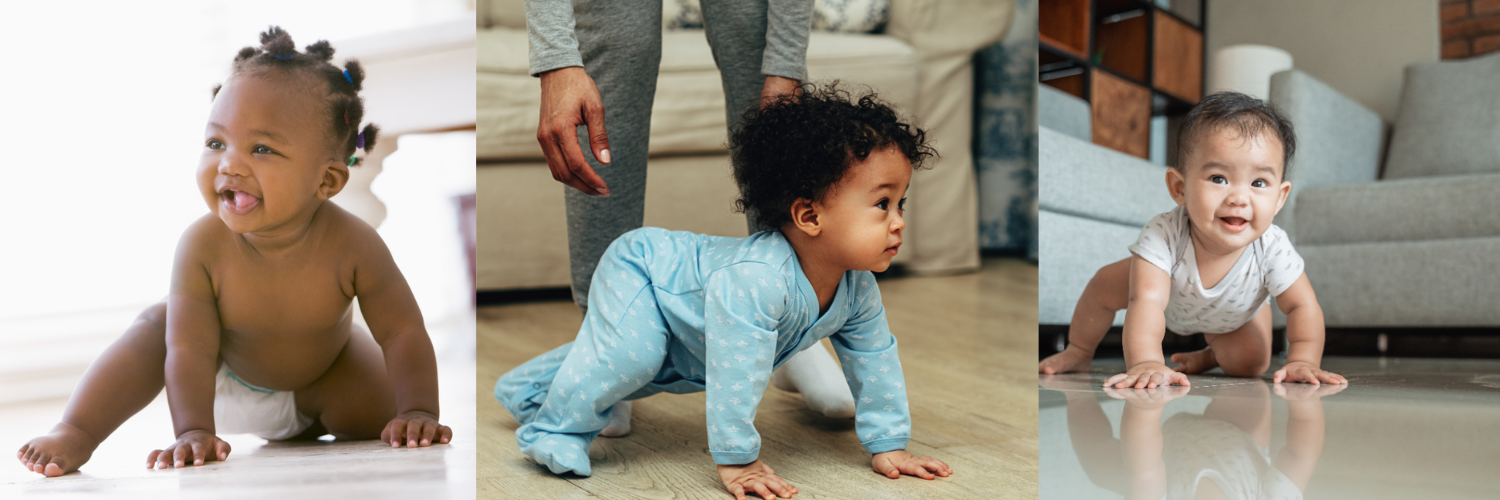
Every parent knows the thrill of watching their baby start to move independently for the first time. Whether it's a tentative shuffle across the play mat or a determined charge toward the dog's water bowl, the moment your little one gets moving is a milestone worth celebrating.
But crawling, as simple as it might seem, is actually a remarkably complex movement. And with so many different styles and patterns, it's natural to wonder: is my baby crawling the "right" way?
The reassuring answer is that there is no single right way. But understanding what different crawling patterns mean can help you support your baby's development and know when a little extra help might be beneficial.
Why Crawling Matters
Crawling helps children develop:
Core strength:stabilising muscles that support sitting, standing, and walking.
Cross-body coordination:connecting the left and right sides of the brain for smooth, balanced movement.
Confidence and independence: exploring their environment safely and actively.
Shoulder and hip joint development: weight-bearing through the arms strengthens the joints and helps shape healthy joint sockets
Hand Development: The dynamic weight-bearing that occurs during crawling stretches the small muscles within the palm of the hand. This action is crucial for the development of the hand, which are essential for a good pencil grasp and manipulation skills.
Visual-Motor Coordination: While crawling, a child's gaze constantly shifts from focusing on a destination (the toy across the room) to the floor directly in front of them. This action strengthens the eye muscles, improves near-far visual accommodation, and promotes visual tracking, all of which are required for reading
Proprioception: Every push-off with a hand or knee provides feedback about the position of their joints and the tension of their muscles. This input helps develop a child’s body awareness, their internal map of where their body parts are in space without looking.
Tactile System: Touching different surfaces sends information to the brain about texture and temperature. This strengthens the sense of touch and aids in the development of fine motor dexterity later in life.
Vestibular System: The vestibular system, located in the inner ear, detects movement, gravity, and spatial orientation. When a baby changes their orientation from horizontally (on their belly) to vertically (as they lift their head to scan the room while crawling), they're activating and refining this sense. This is fundamental for balance and coordinating head and eye movements.
Supporting Crawling at Home
As a home-visiting physiotherapy service in London, we guide parents to create safe, engaging spaces for movement. Here are a few tips:
Plenty of tummy time: from birth, little and often. Even a few minutes several times a day builds the strength needed for crawling.
Create motivation to move: place favourite toys just out of reach to encourage reaching and shifting weight.
A safe space to explore: create a soft, non-slip area where your baby can move freely without being picked up every few minutes.
Get down on their level: your face and voice are the most motivating in your baby's world. Calling them toward you from across the mat can encourage all sorts of movement patterns.
Avoid prolonged time in bouncers and seats: these are great in short bursts, but floor time is where the developmental magic happens.
When to Seek a Physiotherapy Assessment
While "atypical" patterns like bunny-hopping aren't automatically a cause for panic, they are a sign that your child’s motor system isn't using the most efficient pathway. We encourage parents to consider a pediatric physiotherapy assessment if you notice your child is crawling with an atypical pattern for more than 4-6 weeks. It's often easier and more effective to address these habits earlier rather than later.
In addition to atypical crawling, parents should seek advice if their baby:
Does not show signs of crawling by 9-10 months
Always favors one side of the body
Seems excessively stiff or floppy
Has difficulty with transitional movements, like going from sitting to a crawl position or from tummy time to crawling.
Your baby was premature and you have concerns about their motor development (adjusted age milestones apply here)
You simply have a gut feeling something isn't quite right, parental instinct is always worth listening to
Your baby seems uncomfortable or distressed when bearing weight on their hands
Your baby skipped tummy time entirely and seems to have limited upper body strength
The Different Types of Crawling
1. Classic Cross-Crawl (Contralateral Crawling)
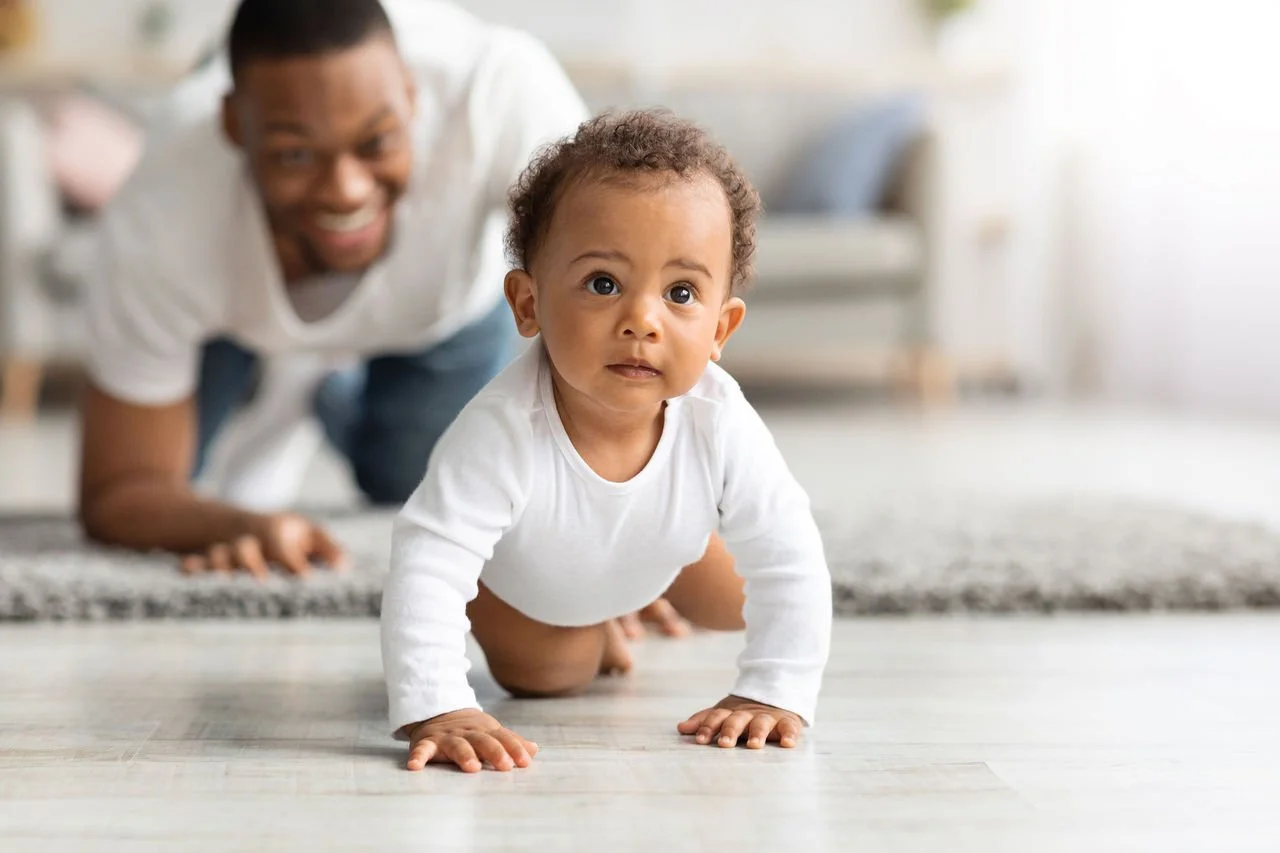
Right arm + left knee, then left arm + right knee
This is the pattern most people picture when they think of crawling, and for good reason. Cross-crawl is considered the most developmentally ideal pattern because it requires the two sides of the brain to communicate, building important neural pathways. It also distributes weight evenly and builds balanced strength across the body.
If your baby reaches classic cross-crawl, that's wonderful, but it's also perfectly okay if they take a different route to get there.
2. Commando Crawling (Belly Crawling)
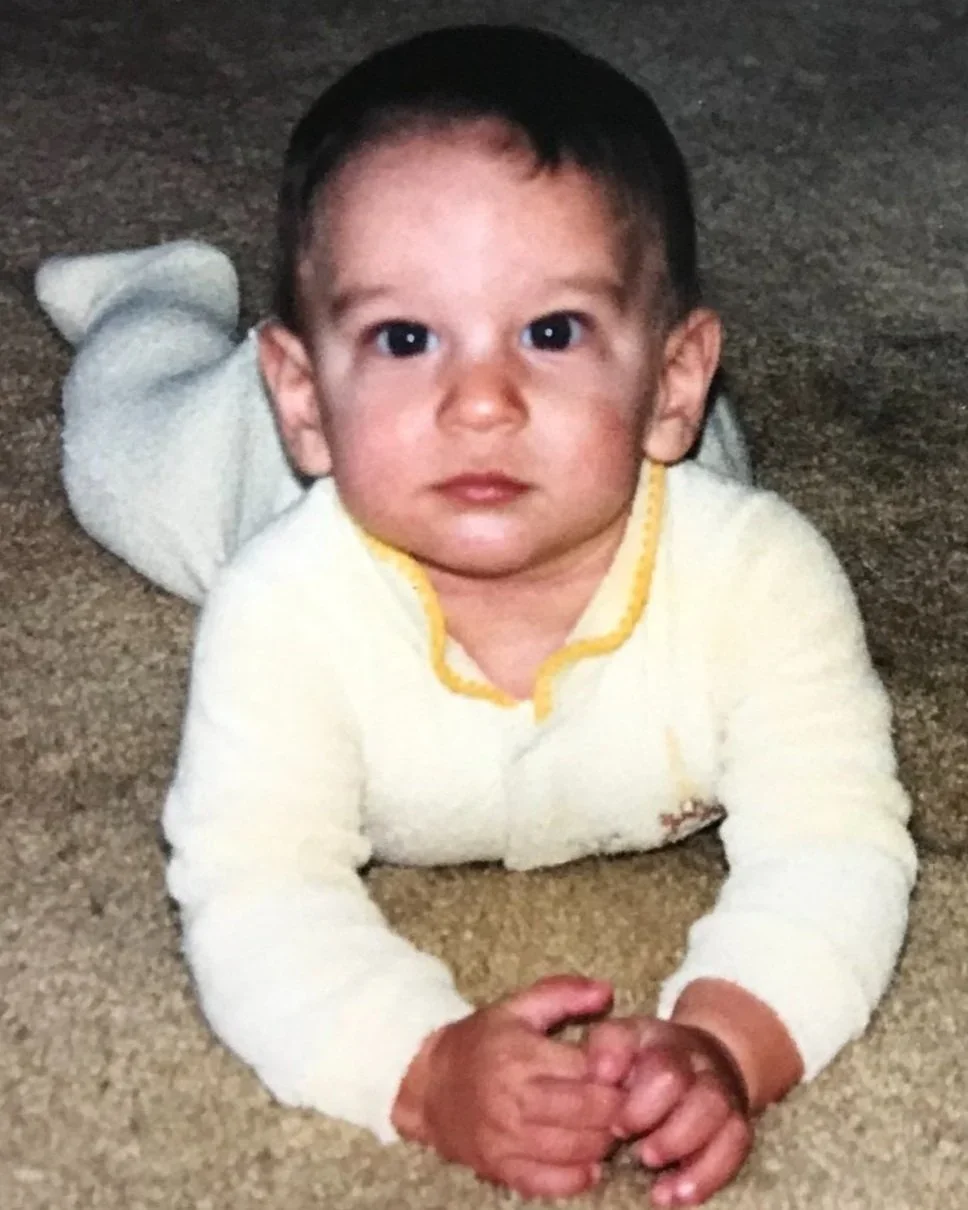
Dragging the body along the floor on the tummy
Many babies go through a commando or "army" crawling phase before lifting their tummy off the ground. This is completely normal and still builds great upper body and core strength. Some babies spend quite a while here before progressing to hands-and-knees crawling.
If your baby seems comfortable and is making progress, there's usually no cause for concern. However, if commando crawling persists for a long time without any sign of moving to a four-point position, it's worth mentioning to your health visitor or physiotherapist.
3. Bear Crawling
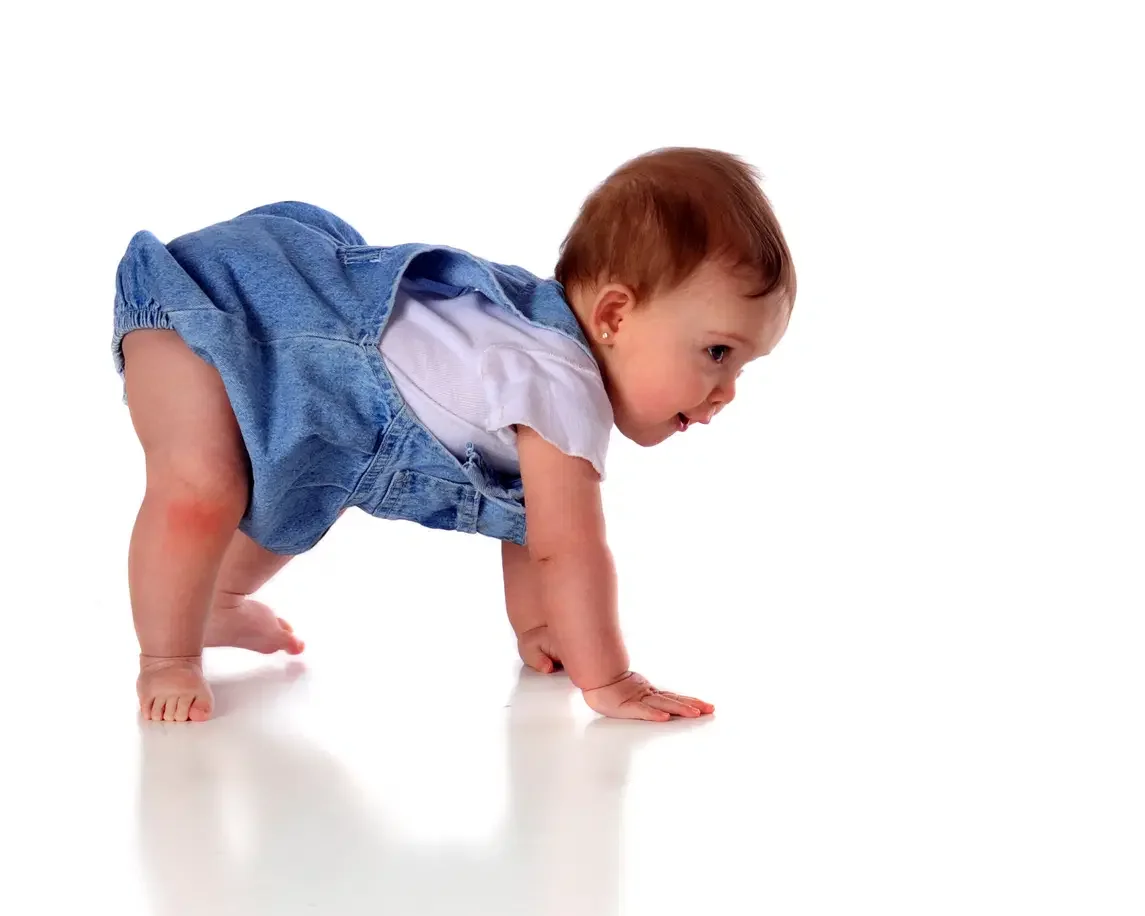
Walking on hands and feet with straight legs, bottom in the air
Bear crawling is often seen in babies who are very active and strong, they skip the knees-on-floor stage entirely. While it can look a little alarming, it's generally fine and often a sign of good leg strength. Some babies go straight from bear crawling to walking.
4. Bum Shuffling
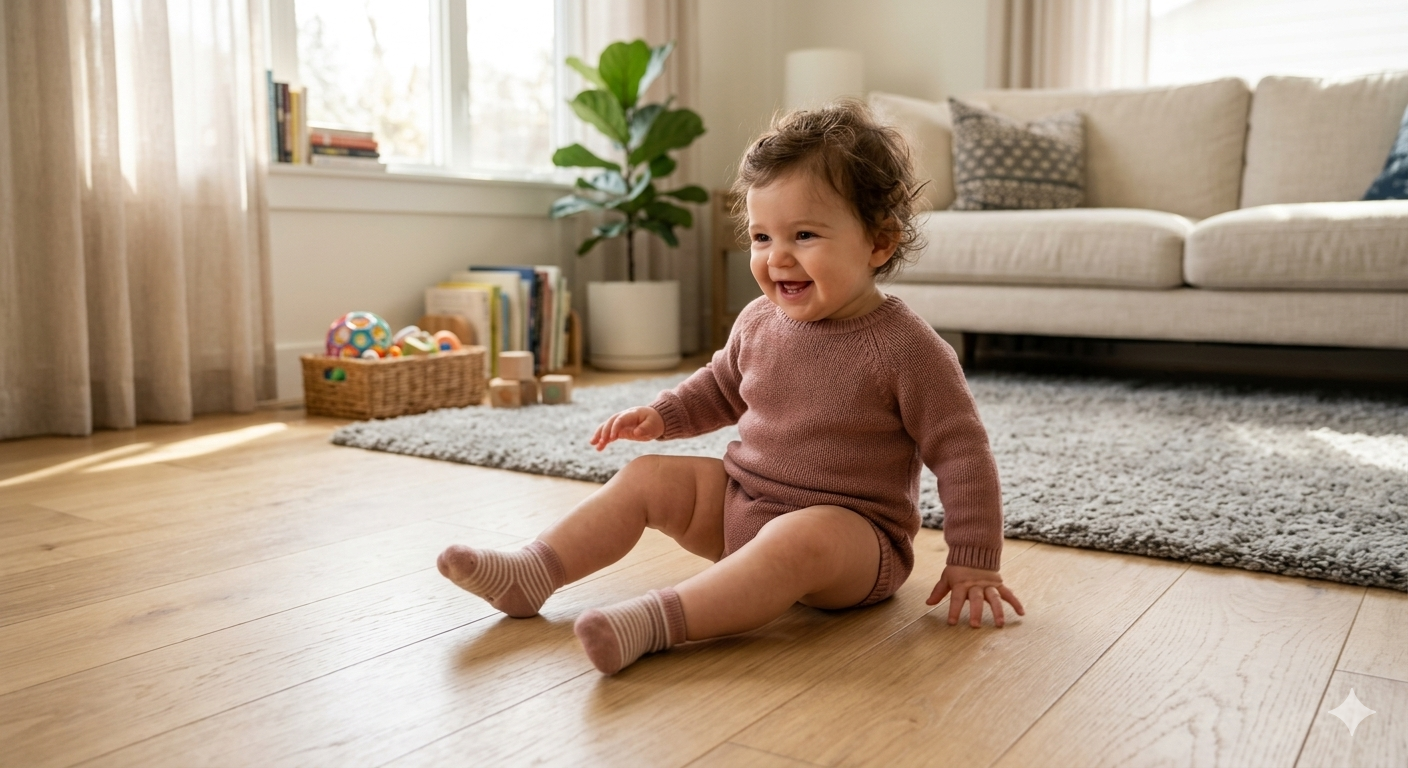
Sitting upright and propelling forward on the bottom
Bum shuffling is surprisingly common and tends to run in families, so if you or your partner were a shuffler, there's a good chance your baby might be too! Shufflers often skip crawling entirely and go straight to walking, typically a little later than their peers (around 18 months is still within the normal range for shufflers).
One thing to watch with bum shuffling is that babies may miss out on the upper body weight-bearing that crawling provides. If your baby is a committed shuffler, adding in plenty of tummy time play and supported four-point positioning can help ensure they're still building those important shoulder and hip muscles.
5. Rolling as a Form of Locomotion
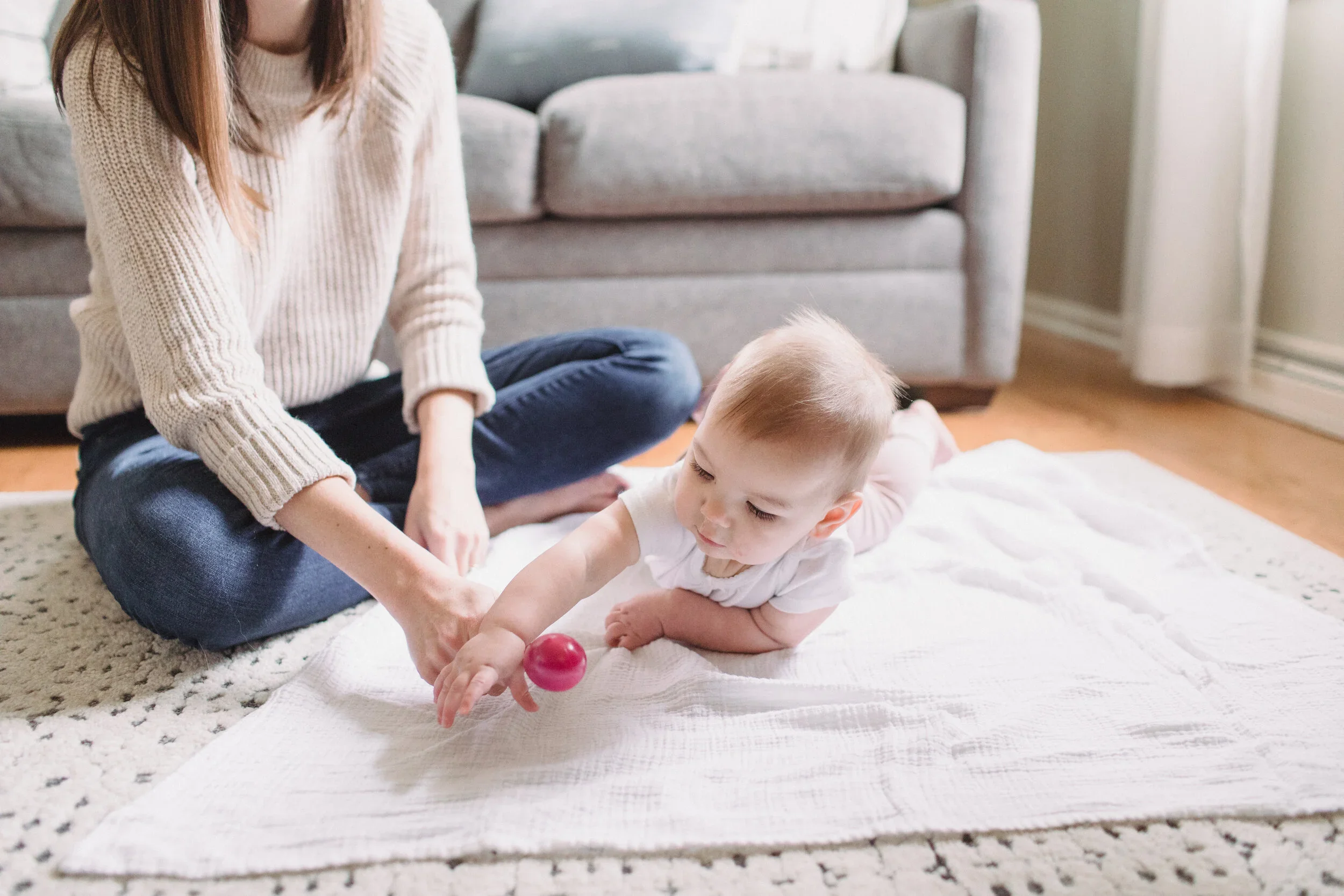
Using rolling to get from A to B
Some babies become surprisingly efficient rollers before they develop any crawling pattern. This is generally fine as a transitional phase, though like bum shuffling, it means they may be missing out on the developmental benefits of weight-bearing through the arms and legs.
6. Asymmetrical Crawling
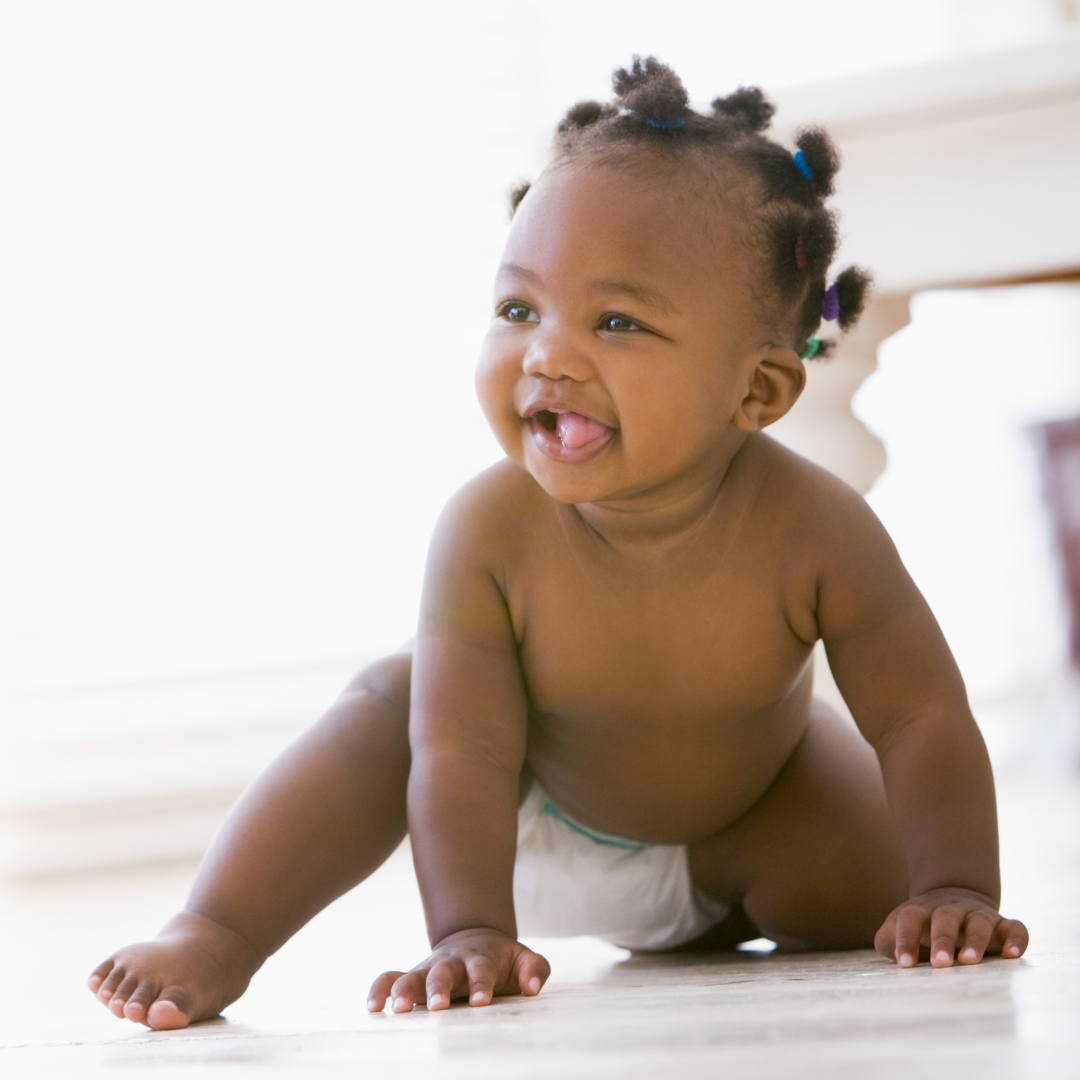
One side leading consistently, or one arm/leg moving differently from the other
This is one pattern that's worth paying attention to. If your baby consistently uses one side of their body more than the other, for example, always leading with the right arm, always keeping one leg out to the side, or seeming to avoid weight-bearing on one limb, it's a good idea to have them assessed by a paediatric physiotherapist.
Asymmetrical movement can sometimes indicate underlying differences in muscle tone, strength, or joint development that are much easier to address when caught early.
How Bloom and Balance Physio Can Help
At Bloom and Balance Physio, we support babies and children to move with confidence through:
Personalised developmental assessments
Play-based physiotherapy sessions
Practical strategies you can use at home
Our goal is simple: to help your child bloom and find their balance
Helping Children Bloom and Balance
At Bloom & Balance Physio, we specialise in paediatric physiotherapy that supports natural movement development. Crawling is just the beginning, we help children build the confidence and physical foundation they need to thrive.
