

Understanding Scoliosis in Children: What Parents Should Look Out For
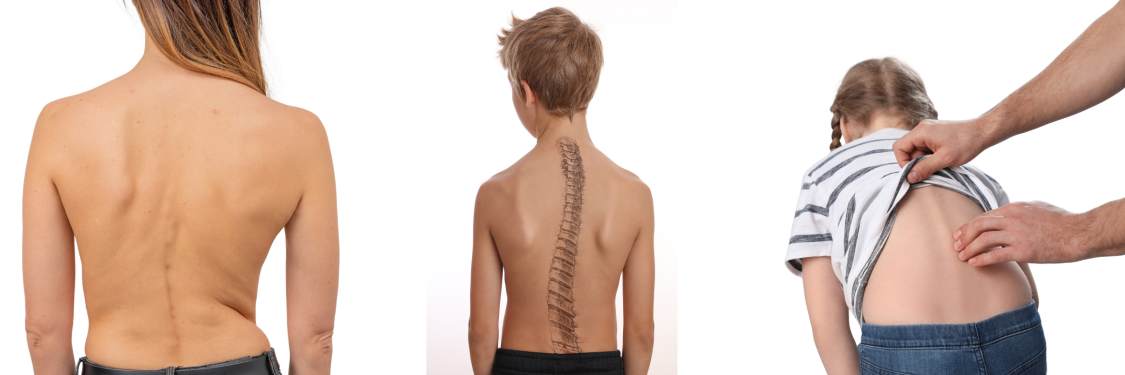
Hearing the word scoliosis can feel worrying for many parents, especially when you begin noticing changes in your child’s posture or movement. The good news is that many children with scoliosis continue to live active, healthy lives — and early recognition can make a big difference.
What is Scoliosis?
Scoliosis is a condition where the spine curves sideways and may also rotate slightly. Instead of appearing straight when viewed from behind, the spine may form an “S” or “C” shape.
Scoliosis can develop at different ages, but it is most commonly noticed during periods of rapid growth, particularly in older children and teenagers.
What Should Parents Look Out For?
Scoliosis is often painless in the early stages, which means it can sometimes go unnoticed at first. Parents are usually the first to spot subtle changes.
Here are some common signs to look out for:
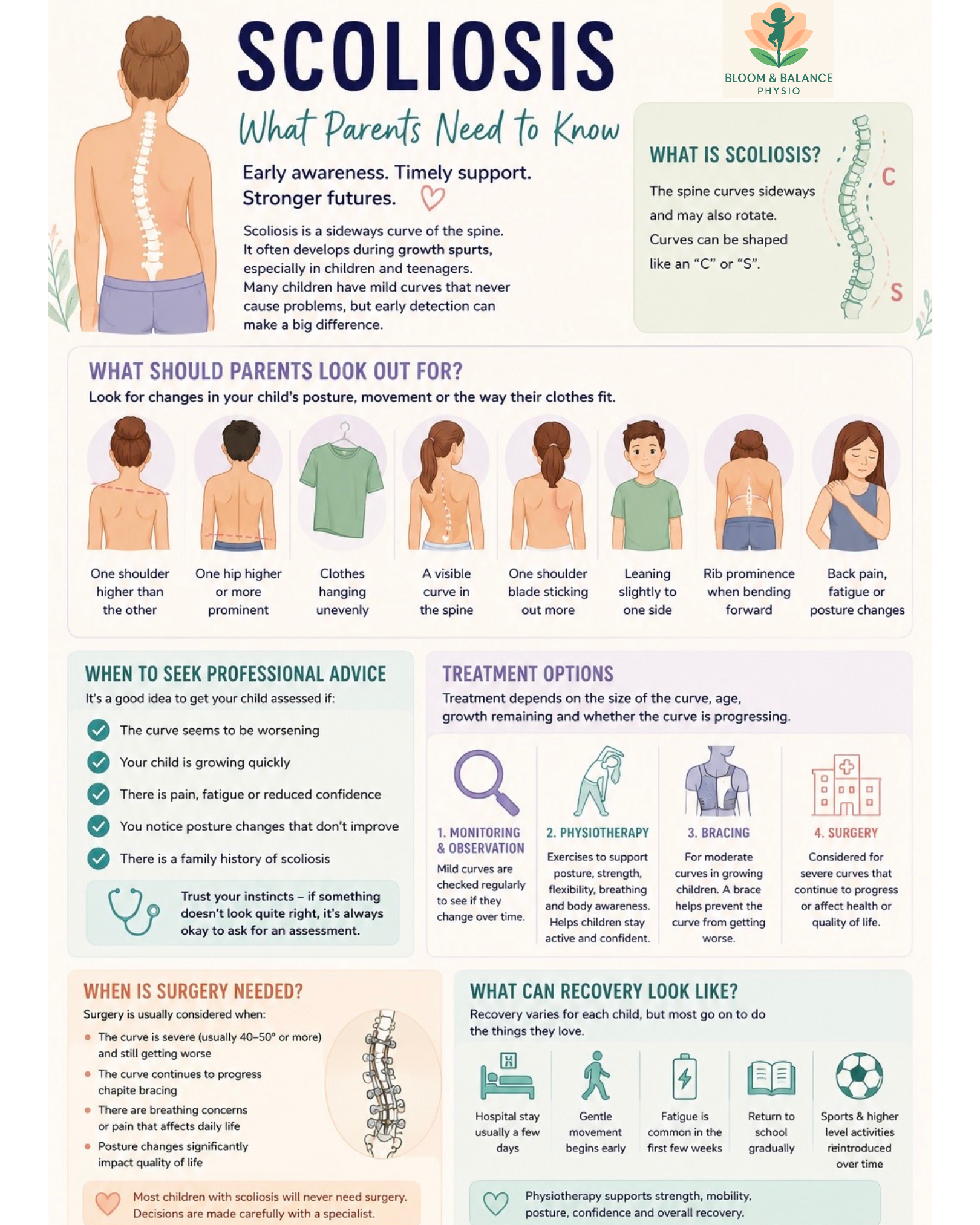
One shoulder sitting higher than the other
Uneven hips or waistline
One shoulder blade sticking out more
Clothing hanging unevenly
Leaning slightly to one side
A visible curve in the back
Rib prominence when bending forward
Changes noticed during growth spurts
Back pain or fatigue in some children
Sometimes these changes are very subtle, so regular observation during growth years can be helpful.
When Should You Seek Professional Advice?
It’s a good idea to seek assessment if:
The curve appears to be worsening
Your child is rapidly growing
There is discomfort or reduced confidence
You notice posture changes that persist
There is a family history of scoliosis
A healthcare professional may assess posture, spinal movement, muscle balance, and in some cases refer for imaging such as an X-ray.
Types of Treatment for Scoliosis
Treatment depends on several factors including:
The size of the curve
Your child’s age
How much growing they still have left
Whether the curve is progressing
1. Monitoring and Observation
For mild curves, regular monitoring may be all that is needed. This allows healthcare professionals to check whether the curve changes over time.
2. Physiotherapy
Physiotherapy can play an important role in supporting children with scoliosis. Treatment may include:
Postural exercises
Core strengthening
Breathing exercises
Movement and flexibility work
Education and confidence building
Physiotherapy aims to help children stay active, improve body awareness, and support overall function and wellbeing.
3. Bracing
For some growing children with moderate curves, a spinal brace may be recommended to help prevent the curve from worsening during growth.
Braces are usually worn for several hours each day and are carefully monitored by specialists.
4. Surgery
Surgery is typically considered only for more significant curves, especially when:
The curve continues to progress despite bracing
The curve becomes severe
Breathing or function may be affected
Posture changes significantly impact quality of life
Not every child with scoliosis will need surgery.
What Does Scoliosis Surgery Involve?
The most common surgery is called spinal fusion surgery. During the procedure, surgeons use rods, screws, and bone grafts to help straighten and stabilise the spine.
While the idea of surgery can feel overwhelming, many children recover very well with the support of their medical team, physiotherapists, school, and family.
What Can Recovery Look Like?
Recovery varies from child to child, but families are often surprised by how resilient children can be.
In general:
Hospital stays may last several days
Gentle movement begins early after surgery
Fatigue is common during the first few weeks
Return to school often happens gradually
Sports and higher-level activities are reintroduced carefully over time
Physiotherapy may support:
Mobility and strength
Posture and balance
Confidence returning to activity
Functional independence
Many children gradually return to hobbies, school life, and activities they enjoy.
Supporting Your Child Emotionally
Scoliosis can sometimes affect confidence, especially during teenage years when body image and fitting in become increasingly important.
Open conversations, reassurance, and encouraging your child to stay involved in activities they enjoy can make a huge difference.
Final Thoughts
Early recognition and support can help children with scoliosis feel confident, active, and supported throughout their journey.
If you notice posture changes or are unsure whether something looks normal, it is always okay to seek professional advice.
Trust your instincts, parents often notice the first signs.
At Bloom and Balance Physio, we are passionate about supporting children and families with compassionate, holistic care that helps children thrive in movement, confidence, and wellbeing.
